How brands express identity through clothing
Business casual. Office attire. Team kits. Customer-facing uniform. What we wear has an ability to declare who we are at a mere glance. But what happens when brands use clothing as a means of implementing identity? We explore clothing as an original thread between brands and people.
13 October 2022
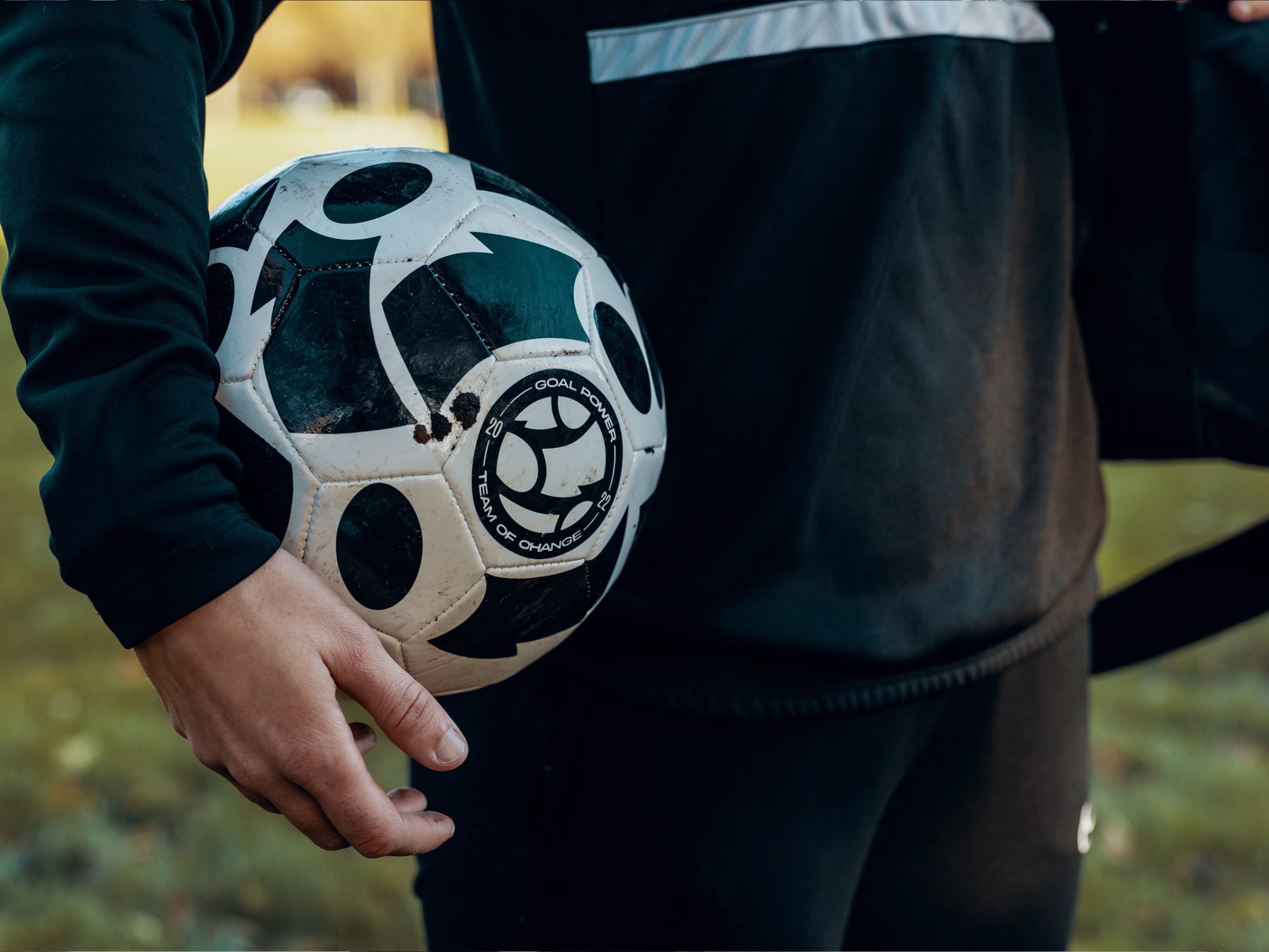
Business casual. Office attire. Team kits. Customer-facing uniform. What we wear has an ability to declare who we are and what we like, at a mere glance. But what happens when brands start to interact with clothing as a means of implementing their identity?
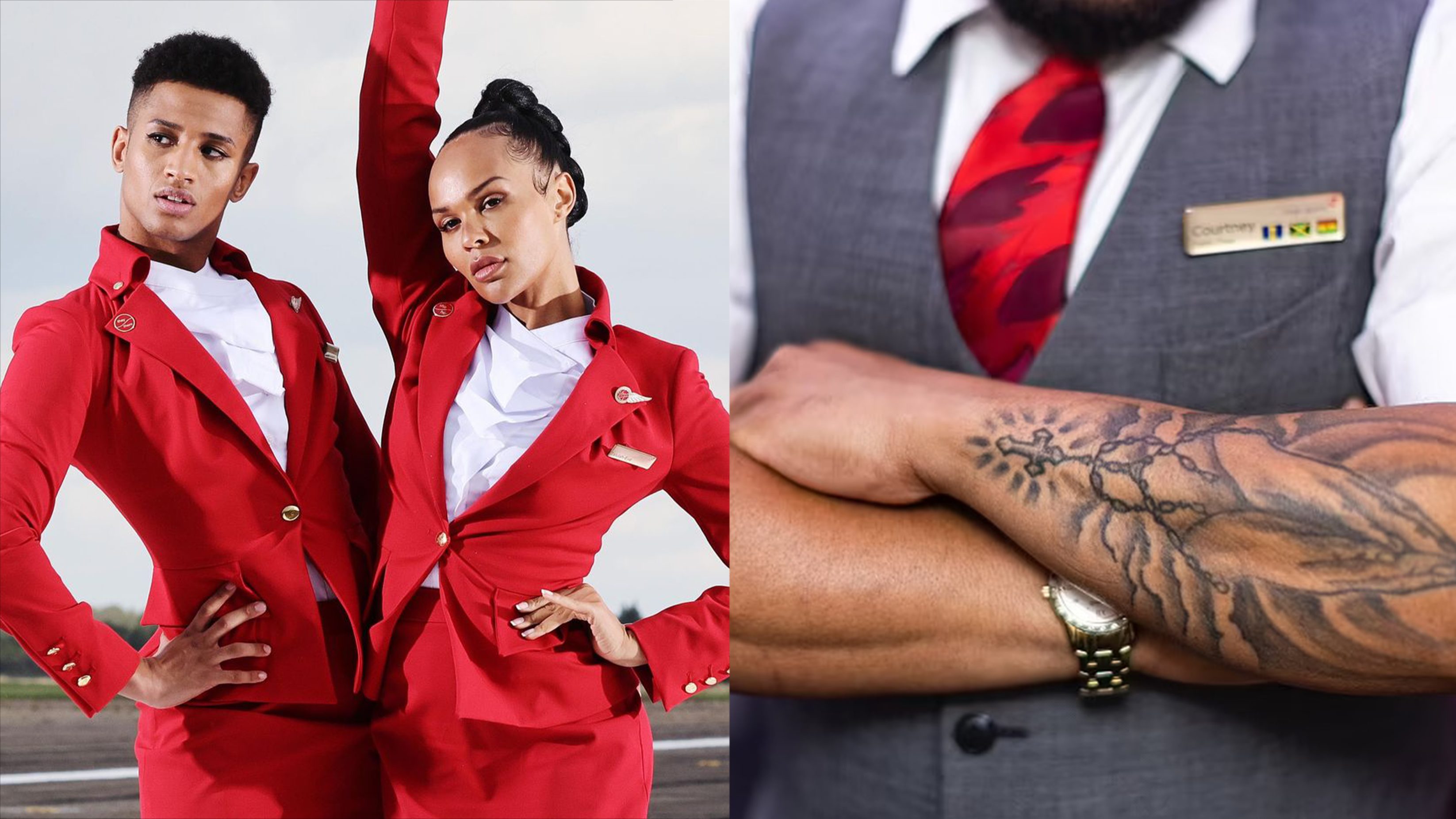
Vocation specific uniforms immediately pin some individuals to their job role, from nurses in blue scrubs to chef’s whites. However, some uniforms are used by employers to instantly communicate brand identity. Take the striking red uniforms of Virgin Atlantic air stewardesses. They might serve to showcase established brand colours but this uniform also fulfils a traditional image of what female clothing looks like, even if modern-punk fashion designer Vivienne Westwood was commissioned to design their clothes in 2014. But Britain’s most glamorous airline has very recently enacted a more progressive approach to empowering individualism in employee appearance, by allowing any member of their workforce to display their tattoos at work – a big step in the polished, sartorial-centric realm of passenger aviation.
Author and Cultural critic Virginia Postrel has written extensively on clothing and identity, highlighting how fashion and status intertwine, creating a challenging relationship. Postrel talks about the idea of visual appearance sending two kinds of signals, whether that’s a person’s aesthetic or that of a logo. Postrel states in The Substance of Style, the first signal is “I’m like this as an individual, and this is the group I fit in, so I share qualities with the members of that group. And I like that.”, the second, “This is what gives me pleasure as an individual.”
So, does how we choose to look, or what we choose to wear, simply come down to personal taste?
The question of taste within fashion is a divisive one, with a dichotomy between what fashion brands say and how they’ve chosen to operate. HUGO BOSS, now recognised as a leader in sports luxe and high-end apparel currently positions its environmental and social values as “conscious of the economic, ecological, and social impacts of its business activities. Their guiding principle being “We act responsibly”.
However, pull the thread of BOSS’ clothing brand heritage and you’ll find a different story, as the eponymous brand founder infamously utilised forced labour from prisoner of war camps to construct Nazi military uniforms.
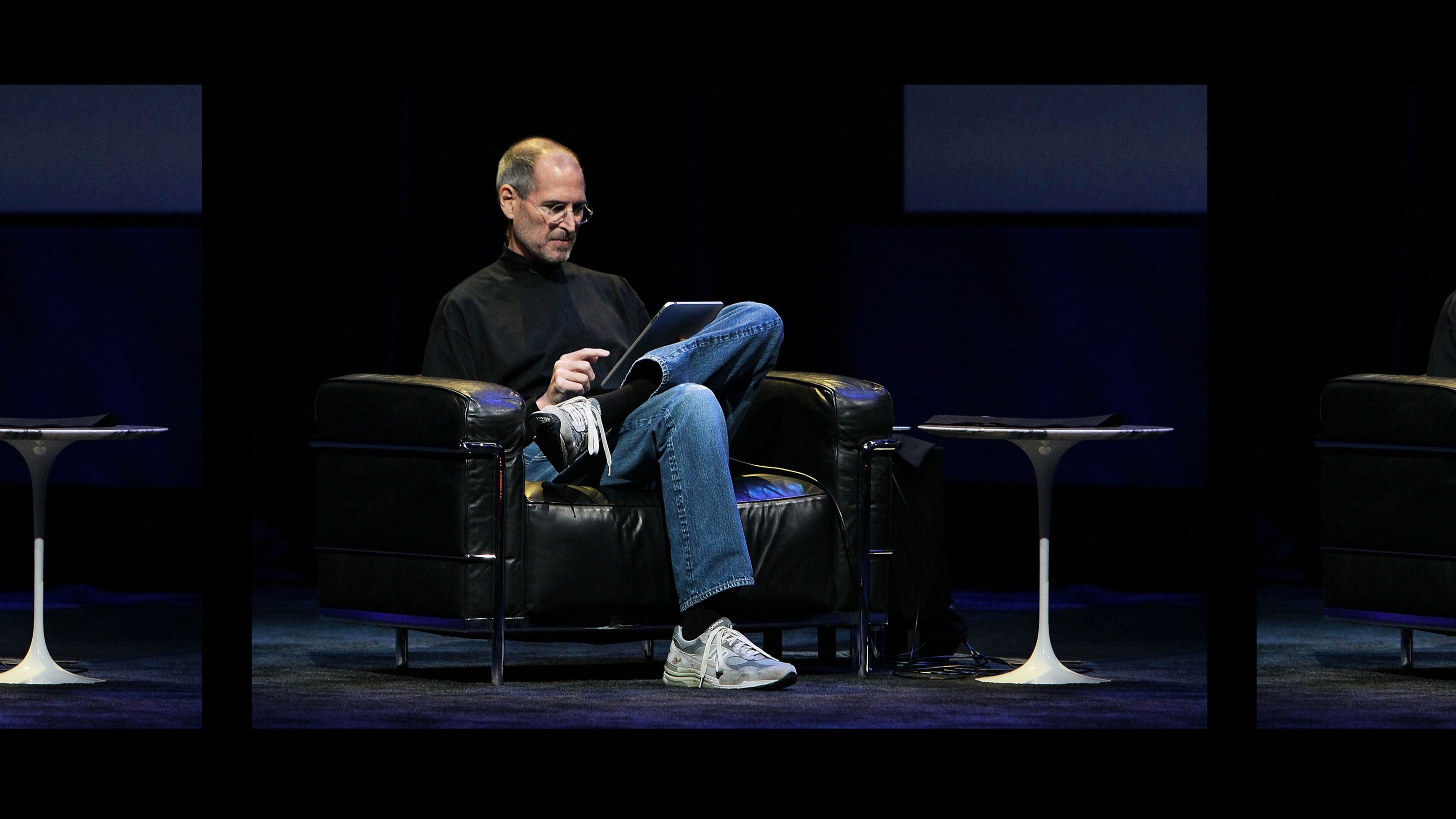
While many uniforms spark an immediate recognition or obvious connection through insignia or brand slogans, some have become the antithesis of standing out. Steve Jobs is best known for adopting this particular type of look.
The mastermind behind Apple exemplifies ‘normcore’, a unisex fashion trend made up of unpretentious, ordinary-looking clothing. He was an original ambassador of the new balance 990 sneaker, a shoe which was also worn by supermodels – blurring the lines between normcore and high-fashion. Steve’s style became the stereotyped image of the silicon valley set, a liminal bridge between the chosen attire of creatives and the casual fits of tech innovators. It’s anti-corporate wear, ironically adopted by the leader of the most well-known global consumer-tech company.
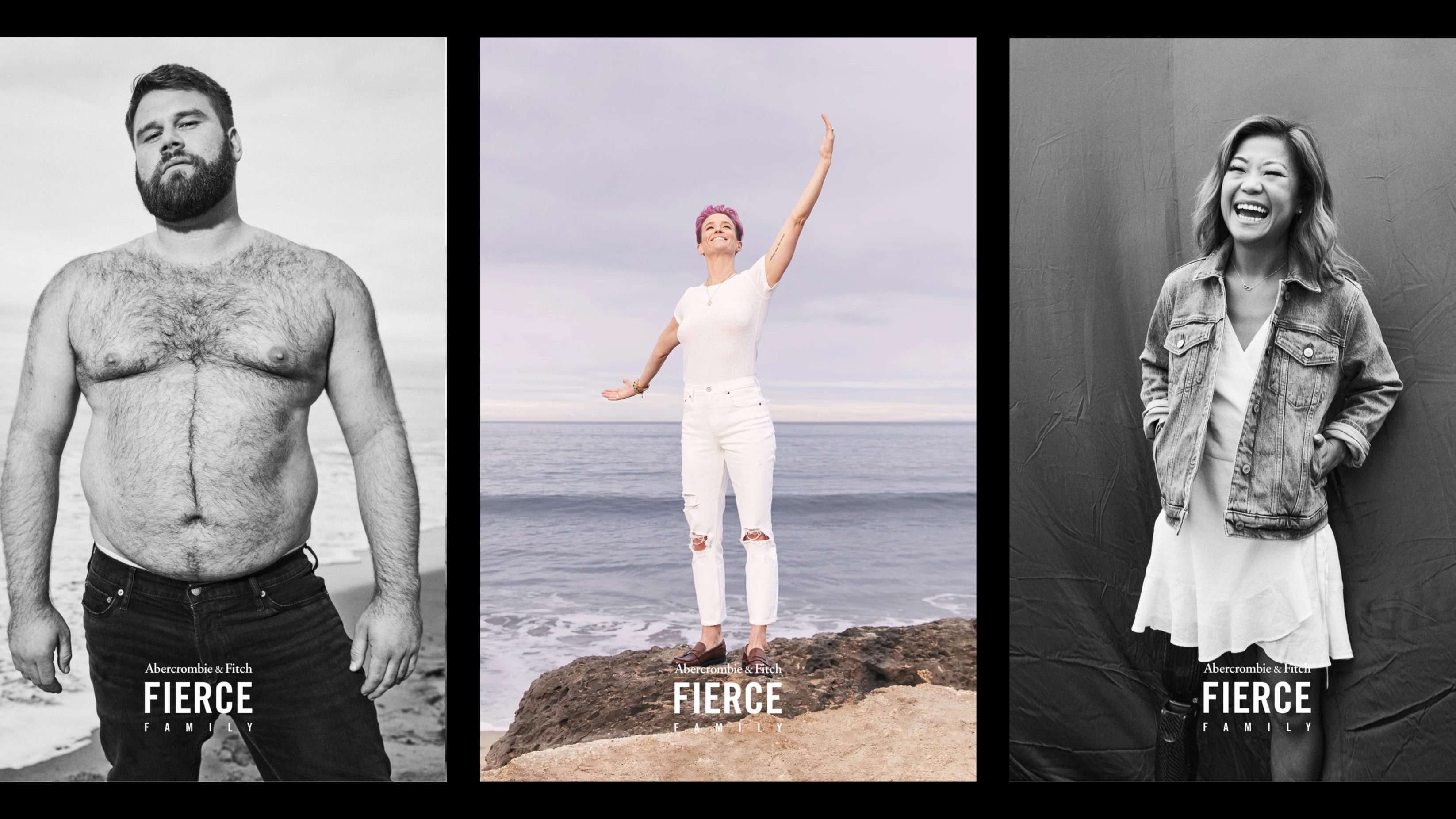
Popular cultural zeitgeist channel, Netflix, has recently resurfaced the shocking story of a contentious clothing and employer brand. White Hot: The Rise & Fall of Abercrombie & Fitch is a documentary that brings A&F’s history of systemic racism and prejudice to light. Looking back at their aggressive marketing, unrealistic, sexualised ideals of body image and delusional ideologies from their founder and management throughout the 90s and early 2000s, it seems obvious now that Abercrombie and ethics are like fire and ice. But the tanned topless male models were just the tip of the iceberg as the brand obsessively embodied popularity, ‘good looks’ and exclusivity. This wasn’t just their approach to flogging consumer-facing goods though, this was a policy they ingrained throughout every member of staff; across each of their 800+ retail stores in America and throughout their entire organisational structure.
Abercrombie & Fitch pioneered a strategy of hiring ‘brand representatives’ to work in store customer service. In short, they hired models to make shoppers feel inferior about their own body image, encouraging them to buy Abercrombie to aspire to be part of a more desirable crew. But A&F’s non-inclusive, anti-ethical ways were starting to come out in the wash and in 2003 nine employees sued Abercrombie & Fitch for race and sex discrimination. Although the company admitted no guilt, they were forced to pay $40 million and sign a consent decree, changing its practices and promoting diversity across the brand. Unfortunately for A&F employees on the ground, nothing much changed and it wasn’t until CEO Michael Jeffries stepped down at the end 2014, that things started to transform for the better. After rising pressure from consumers and employees alike, a new wave of power in the fashion community voiced their expectations and demanded the brand to ‘be better’. This activism forced Abercrombie to reevaluate their responsibility as both an employer and clothing supplier, the original founder may have been steadfast in their disturbing organisational values but the brand was waking up to its widespread inequality and injustices.
Because millennials and Gen Zs are more likely to instantly reject a brand if it appears to not take a stand with social and environmental causes, brands have a duty to step up. Not only for basic humanity and inclusivity but also for commerciality and loyalty, resulting in more sales and stronger relationships with employees and customers alike. That’s just what happened to Abercrombie & Fitch, as business reports from Q1 2021 show the group’s best second-quarter operating income and margin since 2008, with sales exceeding pre-pandemic levels. Despite their obvious pitfalls in the past and their need to change to keep up with consumer preferences, A&F have shown the possibilities of crafting a unique brand experience through clothing.
When it comes to loyalty and being affiliated to your tribe, sports kit says it all. But it’s not just limited to the badge on your chest, sports attire also shows affiliations through advertising and sponsorship. The company you keep tells someone a lot about your values, even more so when you have their brand emblazoned on your body. From the logo saturated race grids of classic F1 to the close quarters of shorts worn by boxers in the ring, brands have consistently stitched themselves into sporting environments for mass brand awareness. Former Denmark and Arsenal striker, Nicholas Bendtner notoriously smuggled controversial betting company, Paddy Power, into the midst of the Euro 2012 football tournament by slyly revealing his ‘lucky’ boxer briefs waistband featuring the Irish bookmaker’s signature wordmark, resulting in an £80k fine from UEFA.
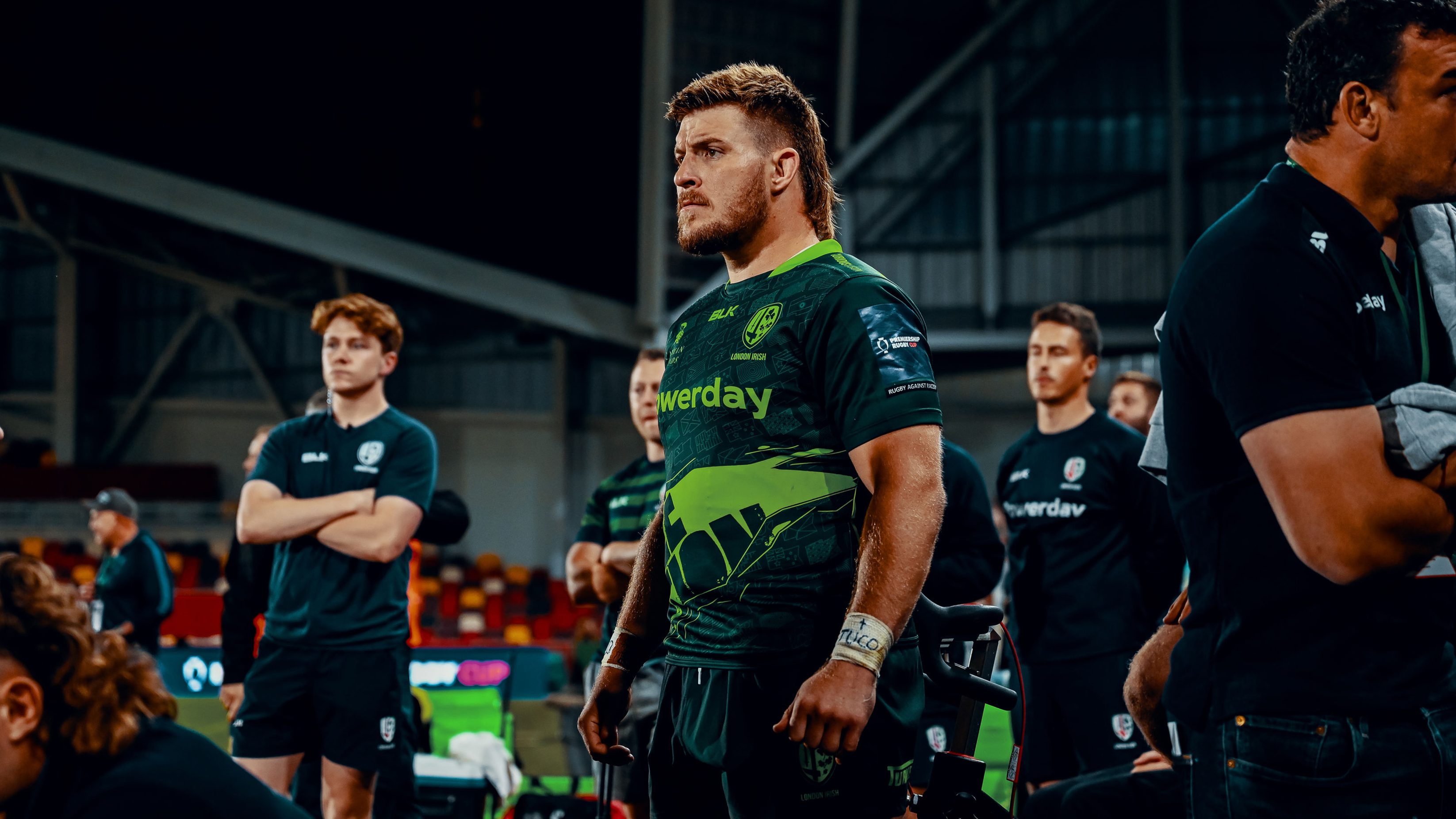
So it goes to show, the slogans worn and endorsed by individuals in teams are magnified on the sporting stage. We kept this in mind when designing the kit for London Irish, a premiership rugby club with a rich history of identity and displacement. Instead of shying away from their nickname as the ‘The Exiles’, we capitalised on this established brand equity and brought it front and centre of the team’s kit. #ExileNation can be seen across the shirts of players and supporters alike, solidifying brand loyalty and creating a social media friendly slogan to take fan support online. This rejuvenated identity translated across merchandise created unprecedented sales for the club – an increase of 25% online during COVID-19 and 317% when fans returned to the stadium – at the same time as increasing visible brand awareness in the streets and on the terraces.
And of course, in true creative agency fashion, we have also commissioned our own UnitedUs embroidered chore jackets, made by the wonderfully talented folks at Paynter. The East London outfit takes iconic jacket styles and makes them to order, in limited edition batches, just four times a year. It’s their way of making sure they create zero waste in an inherently wasteful world of fashion, where 50 billion items of clothing go straight to landfill every year, with another 50 billion going to landfill after not selling. Needless to say we wear our custom clobber with pride.
Through clothing and uniform, brands have the opportunity to show who they are, what they stand for and why it matters. What employees wear has the opportunity to create brand experience and solidify aesthetic, but go too far and there is the risk of alienating potential audiences. As individuality at work becomes increasingly prominent and employers are waking up to their social and environmental responsibilities, brands are primed to wear their hearts on their sleeves and their values with pride.
Partner with us to create catalytic creative and confidence that delivers for your brand and business.
We don’t need a brief, just tell us the problem you need to solve, and we can talk it through.